June 19, 2026

It is tempting, when you work in technology, to spend your days chasing whatever is loudest. Every few months a new wave arrives, complete with breathless predictions, and the pressure to drop everything and ride it is real. At Quaniac we have learned to resist that pull — not because the waves do not matter, but because the companies that endure are rarely the ones who chased hardest. They are the ones who understood, earlier than everyone else, which parts of the new thing were durable and which were noise, and then built quietly for the durable parts while the noise burned itself out.
So when we talk about the future of technology, we are not really talking about any single breakthrough. We are talking about a direction. And the direction we believe in is this: software is moving from a world of features to a world of outcomes. For two decades, technology competed on what it could do — more buttons, more capabilities, longer specification sheets. The next era competes on what it actually achieves for the person using it. Did the work get done? Did the decision get easier? Did the business move forward? A feature nobody can operate is worth nothing. An outcome delivered reliably is worth almost everything. That shift sounds subtle, but it changes how you build from the very first line.
Artificial intelligence is the obvious accelerant here, and we are deep believers in it — but a particular kind of believer. The version of AI we find genuinely transformative is not the autonomous, human-replacing fantasy that dominates the headlines. It is AI as an amplifier: systems that take the slow, mechanical, expertise-draining parts of a job and compress them, so that a skilled person can do far more of the work that actually requires them. The future is not fewer experts. It is experts with leverage. That conviction is exactly why we built Estoppel, our AI legal-intelligence workspace, the way we did — to make lawyers dramatically faster while leaving every judgement in their hands.
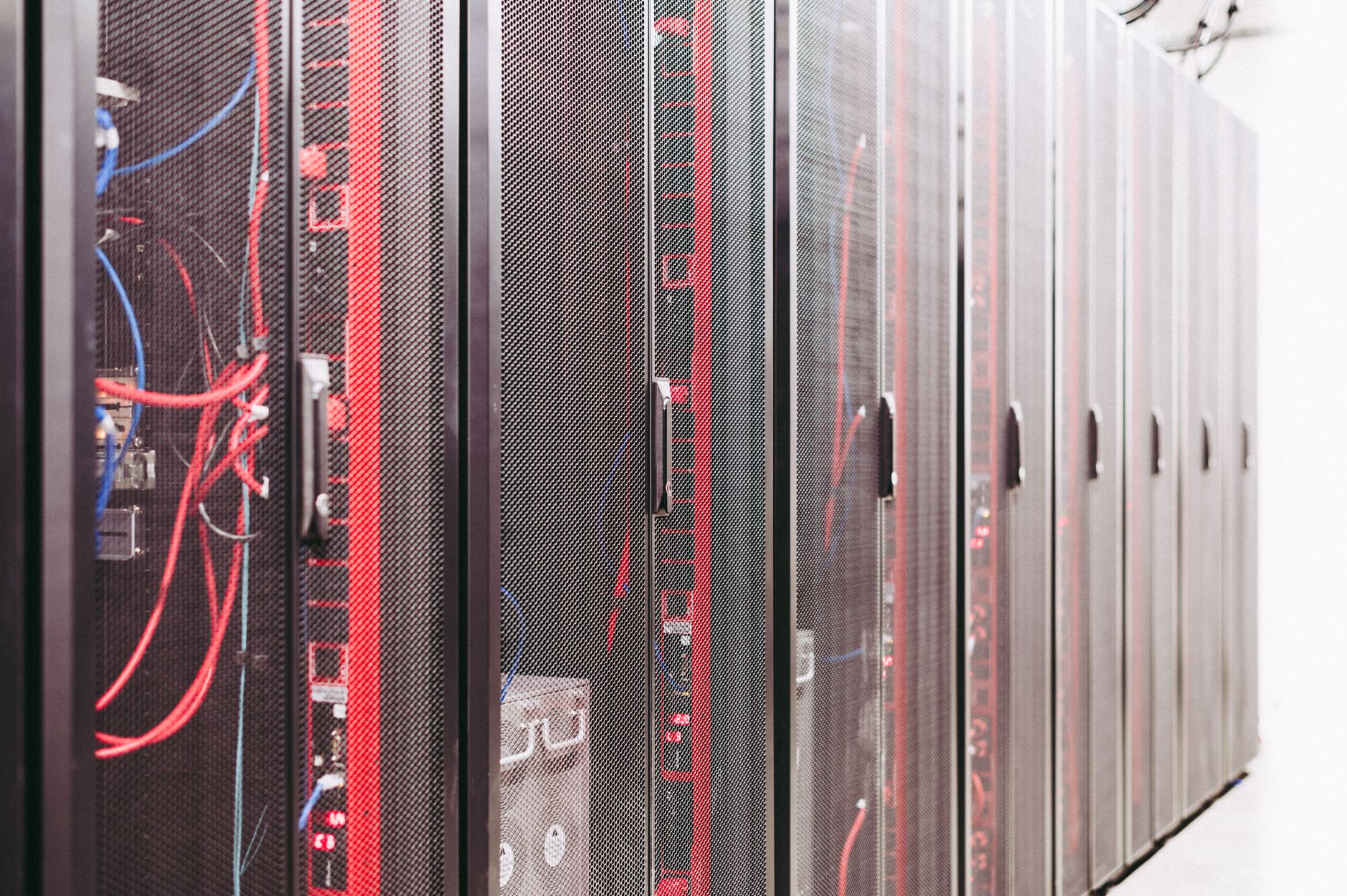
But AI is only as good as the system it lives inside, and this is the part the hype tends to skip. A model that gives a brilliant answer inside a fragile product is still a fragile product. The future we are building toward is one where intelligence is wrapped in engineering you can trust — architectures designed against real-world edge cases, data handled with care, failures anticipated rather than discovered in production. The boring disciplines, in other words. The ones that do not trend. We think those disciplines are about to matter more than ever, precisely because powerful models make it so easy to ship something that looks finished and is not.
There is also a quieter trend we pay close attention to: technology is moving deeper into the institutions that the economy actually runs on. For a long time the most exciting software was consumer software — apps, social platforms, games. The frontier now is the unglamorous core: legal systems, financial infrastructure, the operational guts of real businesses. These are harder problems, with higher stakes and less tolerance for failure, and that is exactly why we find them worth our time. Building well for a courtroom or a balance sheet demands a seriousness that consumer software can sometimes skip. It is the kind of work that does not go viral, and changes everything anyway.
So where does Quaniac fit into all of this? Our answer has not changed since the day we started. We find the problem worth solving, we respect the people who live with it, and we build the system that solves it — engineered to work in the real world, and to scale when it does. Estoppel is one expression of that. AidLearn Analytics is another. There will be more, in more industries, because the method travels. The future of technology, as we see it, is not a single destination you race toward. It is a standard you hold yourself to, over and over, until the things you build are simply trusted to work.